Tree Removal in Crystal Lake, Explained Simply
Request your estimate today
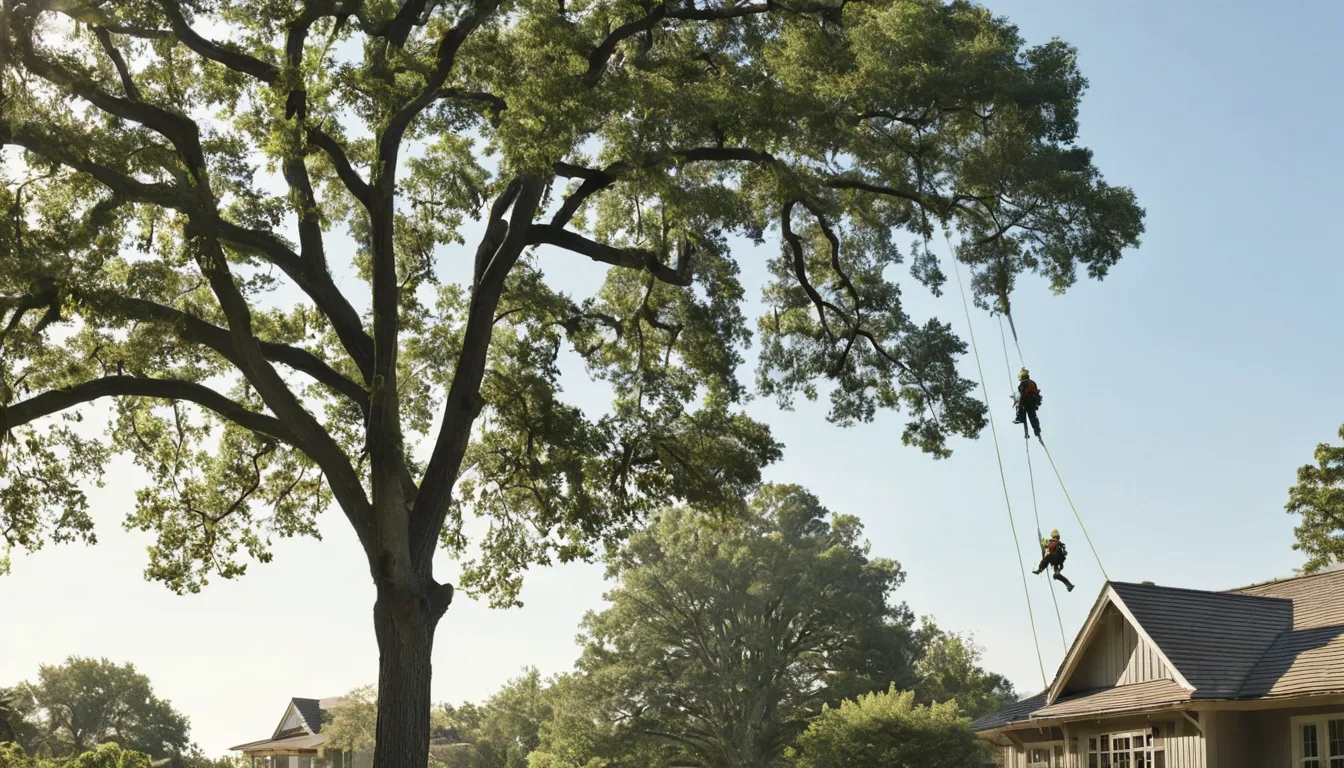
A tree that is leaning, split, or sitting on a roof can feel scary. It helps to know what happens next. Statsconcerns Tree Service is a referral service. We do not cut, haul, or grind anything. We connect homeowners in the Crystal Lake area with independent providers who do.
Think of us as a signpost, not a driver. We point you toward local providers, and they decide the price, the schedule, and the method. This page walks through the whole process in plain words, so you can ask good questions, compare written quotes, and decide with a calm head.
You will also find notes on safety, what changes the price, local permit rules, and how to get ready for the day the work happens. Read it top to bottom, or jump to the part you need.
Is the Tree Blocking or Touching Something Right Now?
Start with safety. If a tree is on a house, a car, or a power line, stay back and keep others away. A fallen tree can hold a lot of tension, like a bent branch that snaps back when released. Only trained crews should touch it.
If power lines are involved, contact the utility first. Then you can look for a provider.
Emergency tree removal
When a tree is blocking a driveway or pressing on a roof, many providers can respond quickly, though availability changes from one provider to the next. Request a callback to check provider availability. Or send the request form and describe what you see.
Storm tree clearance
Severe thunderstorms and hail can strip limbs or topple whole trees. Spring flooding can soften the ground so roots lose their grip, like a fence post in mud. After a storm, providers often get many requests at once, so a clear description and a few photos help your request move along.
Who Does the Work, and Who Does Not
Statsconcerns Tree Service is a connector, not a contractor. Independent local providers in our network do the cutting, climbing, hauling, and cleanup. They set their own prices and schedules. We do not send workers to your home.
That is why we say: quote before work. Ask, then decide.
Why Homeowners Remove Trees
Most people do not take down a tree on a whim. The usual reasons are simple:
- The tree is dead, sick, or hollow inside.
- Limbs hang over a roof, a bungalow porch, or a power line.
- Roots are pushing on a sump pump line, a driveway, or a foundation.
- Storm damage left the tree leaning or split.
- The tree blocks light, a new addition, or a yard project.
Cold winters with deep frost can crack weak wood. Hot, humid summers can feed rot. A tree may look fine from the street and still be weak inside.
How a Removal Job Usually Goes
Think of it like a doctor visit. First someone looks, then there is a plan, then the work happens.
The look-over
The provider checks the tree's size, lean, and health. They also look at what is nearby, such as a roofline, a fence, or buried lines.
The cutting plan
If there is open space, a tree may be felled in one piece. Near frame houses or tight lots, crews often take it down in sections, lowering each piece with ropes. This is slower, and it usually costs more.
Hauling and cleanup
Some quotes include hauling away logs and brush. Others leave wood on site. Ask which one you are getting.
What Changes the Price
The size of the tree is the starting point. After that, access, nearby buildings, the tree's condition, and cleanup all move the number. A tree in a wide back yard costs less to remove than one hanging over a ranch home roof. Storm work can also cost more because of urgency and risk.
Stump grinding is often priced separately. Always ask for a written quote that lists what is included.
Permits and Local Rules
Some towns require a permit to remove certain trees, especially large ones, or trees in a front setback or protected area. Rules differ from place to place. Check with your local city office or ask the provider what they know about local requirements. If the tree sits on a property line, talk with your neighbor first.
Choosing a Provider
A good provider is easy to question. Ask these before you agree to anything:
- Is the quote in writing, with a clear scope?
- Do you carry liability insurance and workers' compensation? Can I see proof?
- Who handles cleanup and wood?
- What happens if something gets damaged?
Compare more than one quote when you can. The smallest number is not always the whole story, so read what each one covers.
Getting Ready for Removal Day
A little prep makes the day smoother. Move cars out of the driveway. Clear patio furniture, toys, and garden items from the drop zone. Tell the provider about sprinkler lines, sump pump discharge pipes, and anything buried in the yard. Keep kids and pets indoors, since chainsaws and falling limbs are no place for them.
After the Tree Comes Down
Walk the yard with the provider. Check the roof, gutters, and fence for damage. If a storm caused it, some policies may cover sudden damage, so check your policy. Providers can often help document damage for a claim.
Then decide about the stump. You can leave it, grind it, or plant around it. Stump grinding has its own page if you want details.
Your Next Step
You do not have to decide everything today. Send the form with a few photos and a short note, and compare what comes back.
What's Included
Safe tree felling
Providers take down trees in one piece or in sections, depending on space, lean, and what stands nearby.
Limb removal
Dangerous branches over roofs, wires, and walkways can be cut back or removed as part of the job.
Storm tree clearance
After wind or hail, providers can cut fallen trunks and limbs so you can reach your home safely.
Hauling and cleanup
Many quotes cover hauling brush and logs, and raking up sawdust. Ask what your written quote includes.
Typical Tree Removal Costs
These are typical U.S. ranges, and every job is different. Size, access, and cleanup change the number a lot. Always ask for a written quote before work starts so there are no surprises.
| Job type | Typical range | Notes |
|---|---|---|
| Small tree (under 30 ft) | $150 – $600 | Open space and easy access keep it lower |
| Medium tree (30–60 ft) | $400 – $1,300 | Cost rises with height and trunk width |
| Large tree (60 ft and up) | $1,000 – $3,000 | Often needs ropes, rigging, or a crane |
| Emergency or storm work | $500 – $3,500 | Urgent jobs and damage can raise the price |
| Stump grinding | $100 – $500 | Often priced by stump width |
| Hauling away wood and brush | $75 – $500 | Some quotes include it, some do not |
How It Works
Send your request
Tell us about the tree and add a few photos. Or request a callback to check provider availability.
A local provider reaches out
An independent provider contacts you to talk about the tree, timing, and a visit.
Review the written quote
Check the scope, price, cleanup, and insurance details. Ask anything that is unclear.
The provider does the work
If you accept, the provider schedules the job and removes the tree on the agreed date.
Why Call Statsconcerns Tree Service
Clear Roles
We tell you plainly that independent providers do the work, and we only connect you with them.
Quote First
You can request an estimate and read the written details before anyone starts cutting.
Local Providers
Providers in our network know the soil, storms, and housing styles in your area.
No Pressure
Ask your questions, compare your options, and decide at your own pace.
Other Services
Need tree removal in Crystal Lake?
Tell us about your tree and request an estimate. A local provider in our network can review the details and reply with options. No obligation.
No obligationTree Removal FAQ
- How much does it cost to remove a tree?
- Many U.S. jobs fall between about $150 and $3,000, depending on size, access, and condition. Storm damage or crane work can raise it. Get a written quote that lists exactly what is included.
- Does Statsconcerns Tree Service remove the trees itself?
- No. Statsconcerns Tree Service is a referral service. Independent local providers in our network do the cutting, hauling, and cleanup, and they set their own prices and schedules.
- Does homeowners insurance cover tree removal?
- Some policies may cover sudden damage, such as a tree falling on a house after a storm. Removing a healthy or dead tree that has not caused damage is often not covered, so check your policy.
Tell us what happened
Tell us about your tree and request an estimate. A local provider in our network can review the details and reply with options. No obligation.
No obligation